From Exotic to Everyday: The Rise of Indian Food in America
It’s hard to pinpoint when Indian food became a staple of young Americans’ diets. Compared to other cuisines like Chinese and Mexican, the advent of south Asian food in America still feels somewhat recent. Today almost every young person has interacted with classmates or coworkers from that part of the world, but that hasn’t always been the case.
In the mid-1800’s, Chinese immigrants brought their food with them to California during the Gold Rush, later opening restaurants, and introducing their cuisine to the rest of North America. To appeal to Western palates, cooks created Chop Suey; a stir-fry that felt exotic yet approachable. The new type of cooking transformed Chinese food from something ethnic and unfamiliar into a trendy, fast, affordable culinary creation. In larger cities like New York and San Francisco, whole Chinatowns started to spring up.
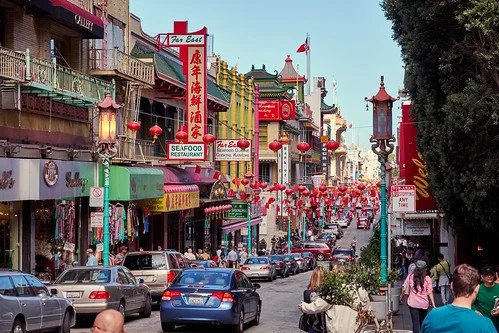
San Francisco Chinatown - Credit Kārlis Dambrāns - Flickr
While the same can’t necessarily be said for Indian food in most parts of the country, the rise in migrants from that part of the world has led many Americans wanting to experience their cooking. In the 60’s and 70’s, the food started gaining traction in the US; primarily through the increase in restaurants that served it. More people wanted to have those authentic, diverse culinary experiences. Plus, the hippie movement’s embrace of health-conscious vegetarian eating helped too.
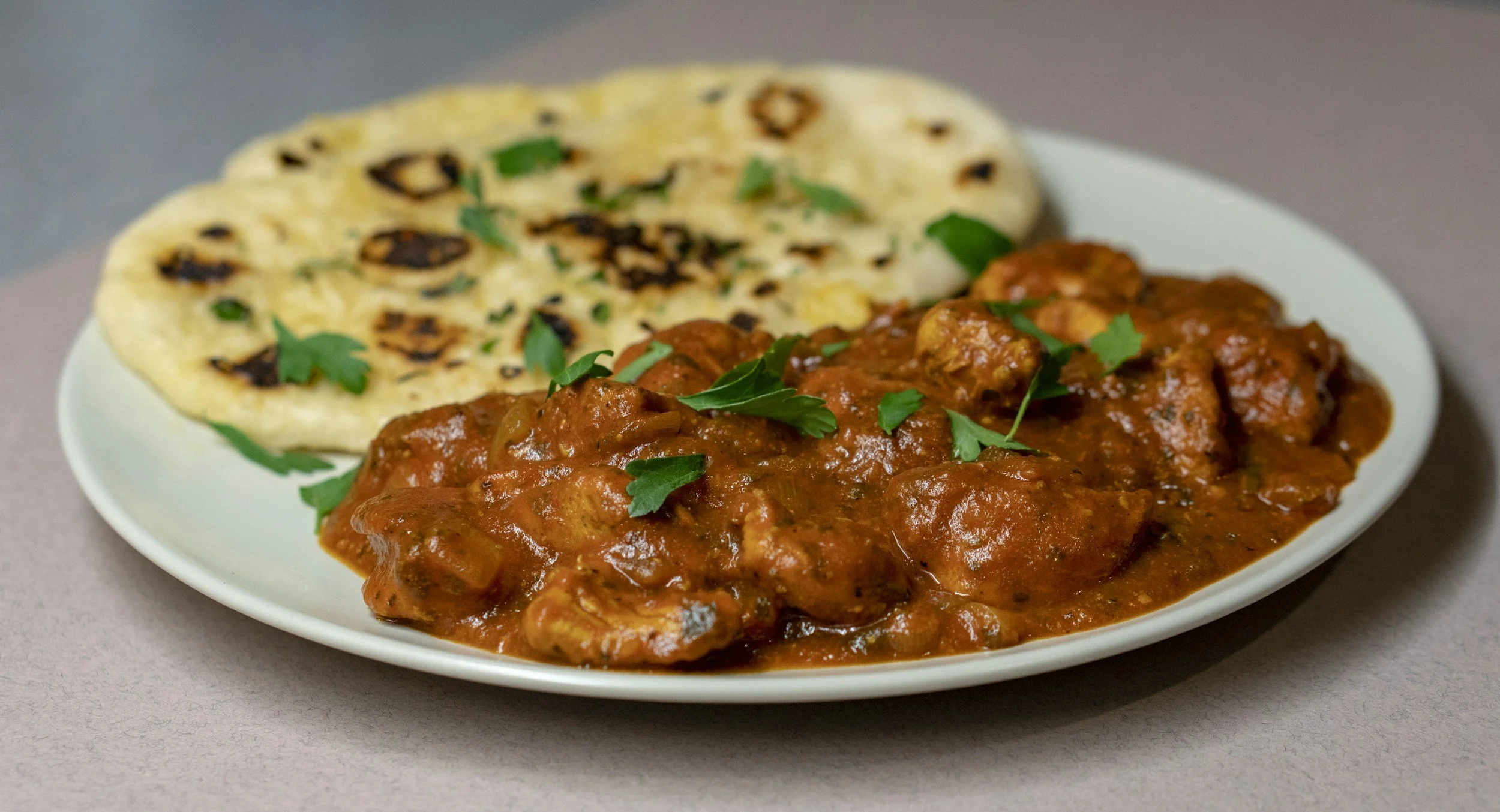
That was around the same time Indian migrants started arriving in Dearborn, Michigan, mostly driven by employment opportunities in the auto industry and education. The community grew as families settled and established businesses, leading to a well-known cultural presence. Similar patterns happened in cities like Fremont, California and Edison, New Jersey.
By the 80s and 90s, Indian food started to become more mainstream, often featured in various food festivals and cultural events, contributing to its broader acceptance and popularity.
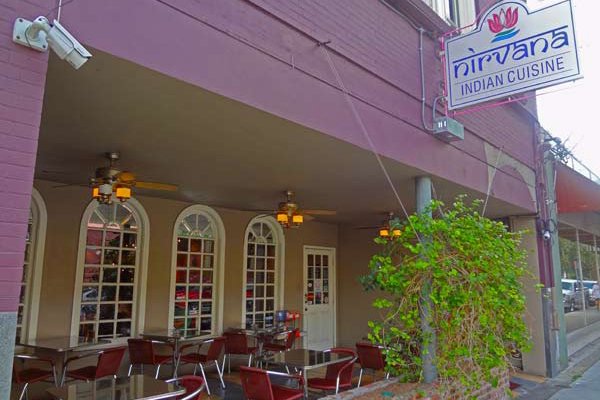
Nirvana Indian Cuisine in New Orleans, Louisiana opened in 1982 and is one of the oldest operating Indian restaurants in the U.S. Credit: USMenuGuide
At first, many were probably intimidated by the unfamiliar herbs and smells, but at further glance saw all the ingredients were similar to what’s used in Western cooking- just in different ways; curries instead of chilis, pav bhaji instead of sloppy joe’s, tandoori instead of barbecue, lassis instead of smoothies, you get the point. The addition of naan bread also helps, and most any Indian meal can be made without meat.
What was once food from a faraway, exotic peninsula has since become more approachable. Where I live in Texas, it’s easy to find samosas in the frozen aisle of almost any grocery store, and there’s no lack of Indian restaurants with menus that appeal to those seeking varying levels of authenticity. Nowadays you can drive down I-70 in Marshall, Illinois and find a fast food Indian place called Naf Naf attached to a truck stop alongside a KFC and Taco Bell. Try finding that 50 years ago!
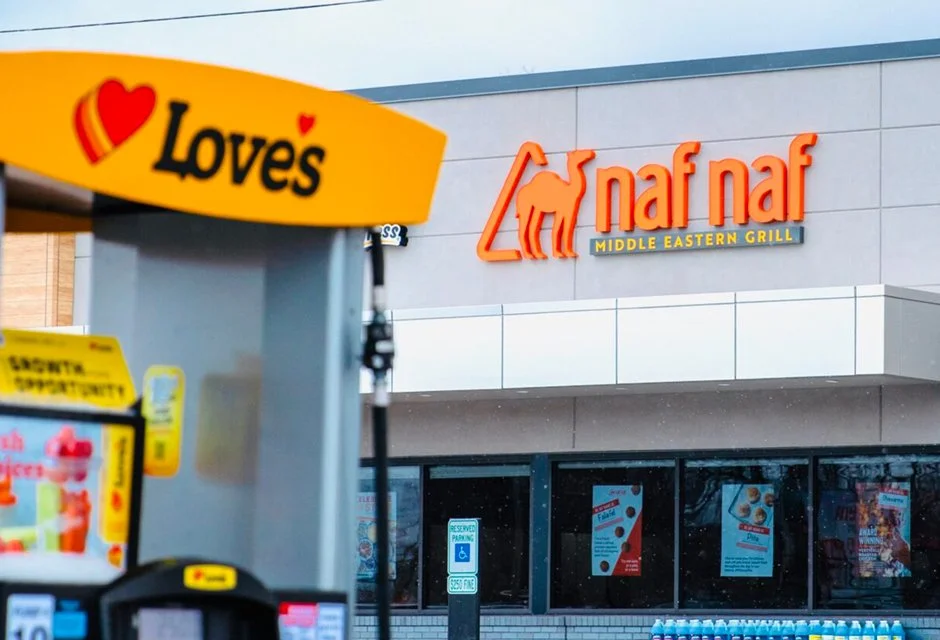
Credit: Naf Naf
I just think it's a testament to how far the food has come in the eyes of American consumers. People want something different. They're getting tired of the same restaurants. They want more options, different herb combinations, more flavor choices... and that demand isn't going anywhere anytime soon. A similar story could be said for the rise of Mediterranean food and fast casual restaurants like CAVA. These startups have proven formerly unfamiliar semi-ethnic food choices can be enjoyed just as quick and conveniently as a counterpart like Panera or Chipotle.
I usually find myself going to different Indian restaurants depending on the occasion. One is on the nicer, more authentic side for special occasions. Another has an awesome lunch buffet during weekdays (it’s also a great way to try new things), but my favorite is in the back of a convenience store on the side of a highway with a stellar beer selection and even better music playlist (last night featured a lot of Smashing Pumpkins). The experiences at these restaurants all vary drastically, but the one thing they have in common is great food.